
Editorial guide · France
Piano lessons for children: what age to start?
Date:
Updated
Piano lessons for children should fit the child’s readiness, not just their birthday. Interest, the ability to follow a small instruction and support at home also matter. No single age guarantees a good start; confirm a teacher’s minimum age directly.
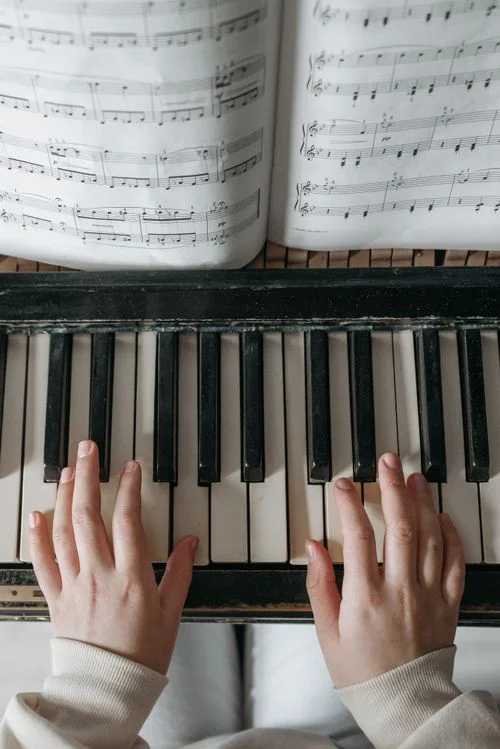
1 and 2. Notice interest and attention
Does the child return to the keyboard willingly? Can they listen to a short phrase and try responding in their own way? These are observations, not an entrance test. Curiosity may first appear through singing, dancing or sound games.
Enjoying a song does not automatically mean wanting weekly instruction. Explain how lessons work in simple language and let the child describe what feels interesting or worrying.
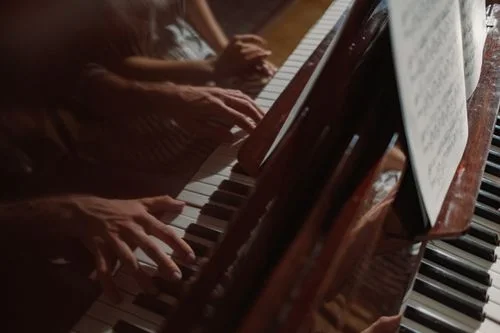
3. Check an appropriately sized setup
Seating should provide stable support and access to the keys without raised shoulders. A foot support may help when feet do not reach the floor. Have the position checked rather than copying an adult’s posture.
A small toy keyboard may not provide the control or key size needed for the proposed work. Ask what specifications are needed before buying; the keyboard photograph here is not a model recommendation.
4 and 5. Plan family time and support
Find quiet moments when the piano is accessible. Initially, a short willing activity may be more useful than a long enforced session. An adult can help recall an instruction without becoming a second teacher.
For online lessons, who positions the camera, opens the connection and stays available if something goes wrong? Agree that role beforehand. If the child needs frequent movement, discuss suitable duration rather than assuming a lack of musicality.

Start without rushing the goals
Listening, pulse and small melodies can provide starting points to adapt with a teacher. Reading every note or preparing an examination is not an immediate requirement.
ABRSM offers piano resources and different assessment levels; these are examples of pathways, not a medical rule or a minimum starting age. Confirm this teacher’s accepted ages and children’s lesson arrangements before enrolment.
A family observation sheet
Observe interest during ordinary moments rather than staging a test. Does the child return to the keyboard, seek a familiar sound or express what they enjoy or find uncomfortable? These are conversation points, not a scoring system. One restless or quiet day cannot establish readiness.
Record interest, comfort and available help separately. Strong interest does not fix unstable seating; a perfect setup does not create interest. Ask what the child would like to explore and whether the keyboard can remain accessible at home. None of these checks sets a universal minimum age.
For a French-speaking family, also try a few English instructions: start, stop, listen and repeat. This is not a language examination. The aim is to see whether the child can participate without a parent translating every sentence; discuss this constraint honestly before enrolling.
Decide what to ask before enrolment
An inquiry can include age, any experience and who will help connect. Ask whether the format suits rather than demand a guaranteed level by a deadline. Lessons are in English; discuss that before enrolment rather than discovering it at the first appointment.
For under-18s, a parent or guardian confirms in writing before enrolment or lesson confirmation. The free introduction is individual before enrolment, not an examination or group trial to present to the child. This website does not advertise specific introductory activities.
If comparing with a conservatoire in France, distinguish the institution’s admission age from the child’s individual readiness. Local curriculum rules, piano places and any musicianship classes need checking with the chosen institution. A limit published by one city is not a universal minimum age for learning piano.
Prepare a short list for the conversation: the available keyboard’s size and key action, seat height, pedal access where needed for a piece, possible Zoom assistance and realistic practice times. Written confirmation from a parent or guardian remains required for a minor. Wanting to play is neither parental consent nor a booking.
If a first attempt feels unsuccessful, separate three questions before changing instruments: did the child want to participate, could they comfortably reach the keys, and did they understand the task? One setup difficulty can make the whole format seem unsuitable. Equally, a child who enjoys hearing piano may not want to follow screen instructions. Keep a factual observation to discuss, without assigning a lack of talent or comparing them with another child.
Frequently asked questions
Is a minimum age confirmed on this website?
No universal minimum age is stated; ask directly whether the format suits your child.
Do children share groups with adults?
No. Children’s and adults’ groups are separate.
Who confirms a child’s enrolment?
For under-18s, a parent or guardian confirms in writing before enrolment or a lesson is confirmed.
Sources for your research in France
Official resource and context
Plan your next step
Separate interest, setup and comprehension: bring one concrete observation to the first conversation.
One free 15–30-minute one-to-one introductory session before enrolment. This is not a regular paid class or a group trial.
The form prepares a WhatsApp or email draft for you to send yourself. Opening a draft does not confirm a booking.
Continue reading
Photographs illustrate the topics; they do not show students, compulsory equipment or brand endorsements.